A bowl of soup beans beside hot cornbread, a plate of trout, a slice of apple dessert, or a biscuit made with care can tell you plenty about a place. Appalachian food culture is not one single menu. It is a living collection of family recipes, mountain gardens, local farms, preservation traditions, and the generous habit of making sure everyone at the table has enough to eat.
For visitors to the North Carolina High Country, food is one of the most welcoming ways to understand the mountains. A meal can introduce the people who grew the ingredients, the seasons that shaped the kitchen, and the small downtown businesses that keep a community gathering around good flavors.
Appalachian Food Culture Starts With Place
The Appalachian region stretches across many states, so its food traditions vary from one mountain community to another. What connects them is a close relationship with the land. Steep terrain, changing weather, long winters, and the practical need to make food last all influenced what people planted, gathered, cooked, and shared.
Corn has long been central to mountain cooking, appearing in cornbread, cornmeal mush, fritters, and many other familiar dishes. Beans were valued because they grew well, stored well, and could become a filling meal with a little seasoning and a skillet of cornbread. Potatoes, cabbage, onions, greens, apples, and berries also found their way into everyday cooking.
This is not simply “poor people’s food,” a label that misses the skill and resourcefulness behind it. Appalachian cooks developed ways to turn modest ingredients into deeply satisfying meals. They knew how to use a garden harvest fully, stretch a pot of beans, smoke or cure meat, can summer produce, and make something special for a church supper or family gathering.
The region’s foodways also reflect many communities and histories. Indigenous peoples, including the Cherokee, cultivated and gathered foods in these mountains long before European settlement. Later traditions carried by settlers from the British Isles, African American cooks, German communities, and others became part of the varied food landscape. There is no honest way to tell the story of Appalachian cooking as though it came from only one group of people.
The Flavors That Make a Mountain Table Memorable
Some Appalachian ingredients make visitors immediately curious. Ramps, the wild spring onions with a bold, garlicky bite, are a favorite example. They are seasonal, highly anticipated, and best enjoyed with respect for sustainable harvesting. A ramp supper may feel like a celebration because it marks winter’s end and the return of fresh green flavor.
Then there are the foods that arrive in a kitchen through patience. Chow chow turns garden vegetables into a tangy relish that brightens beans, greens, or sandwiches. Apple butter cooks down slowly into something dark, sweet, and spiced. Sorghum molasses adds a rich, earthy sweetness to biscuits and desserts. Pickles, jams, dried apples, and canned tomatoes carry summer into colder months.
Appalachian food also has a savory, smoke-kissed side. Country ham, sausage, bacon, and cured meats have deep roots in a region where preservation mattered. Today, a local chef might use those flavors in a polished dish, while a home cook may serve them in a breakfast that feels happily familiar. Both can belong on the same mountain table.
Fresh foods matter just as much. The North Carolina High Country is known for farms, orchards, mushrooms, honey, trout, cheeses, and seasonal produce. Depending on the time of year, a local menu might feature tender greens, tomatoes at their peak, crisp apples, roasted squash, or a warm berry cobbler. The best experience is often to eat what is growing nearby rather than expecting the same dish in every season.
Recipes Change From Kitchen to Kitchen
Ask three Appalachian cooks how to make cornbread and you may get three confident answers. Should it be sweet? Usually not, according to many traditional mountain cooks, but plenty of families have their own preferences. Should it be baked in a cast-iron skillet? Many will say yes. But home recipes are shaped by memory, available ingredients, and the people being fed.
That flexibility is part of the culture. A cherished recipe may be written on a card, passed down by demonstration, or adjusted each time someone makes it. Food traditions stay alive not because they never change, but because people continue making room for them at the table.
Why Food and Hospitality Belong Together Here
In Appalachian communities, feeding someone is often a form of welcome. It may be a neighbor dropping off a pie, a restaurant server recommending the day’s special, or a host insisting you take one more bite before heading out. The warmth is real, but it is not a performance. It comes from the belief that a shared meal gives people time to talk, laugh, and get acquainted.
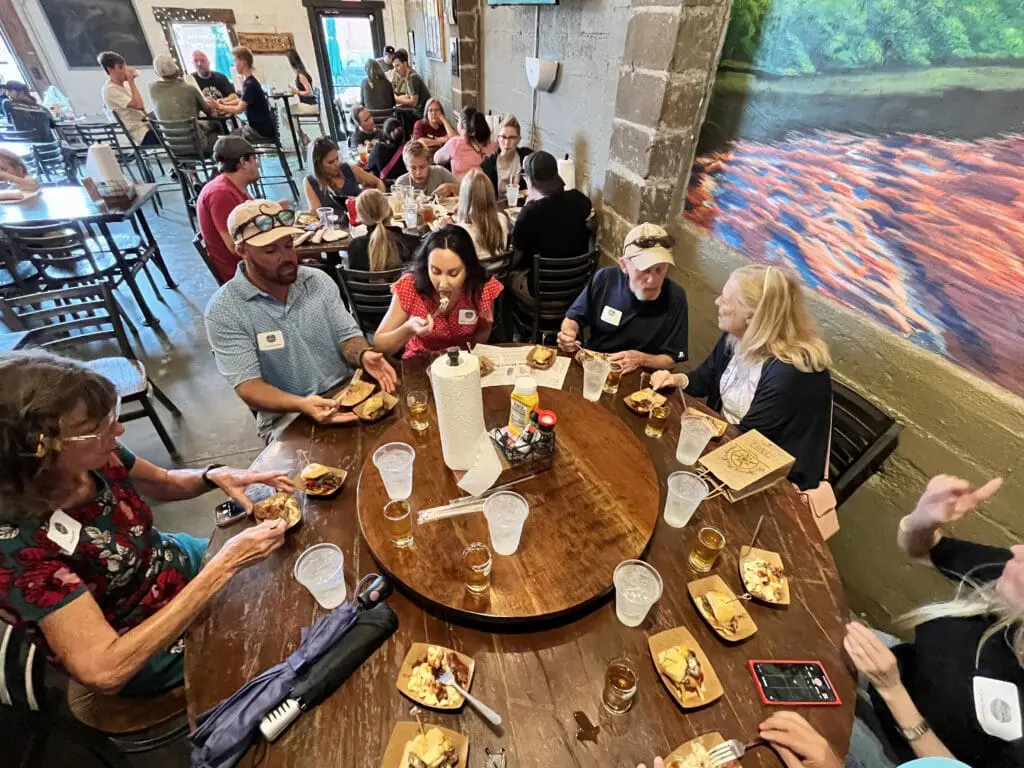
That is why a food-focused afternoon in a small mountain town can offer more than lunch. The flavor of a biscuit or local cheese is part of the story, but so are the people behind the counter, the building’s history, and the art on the wall outside. In downtown West Jefferson, food, murals, independent shops, and mountain hospitality naturally fit together on a walkable visit.
High Country Food Tours brings those pieces together with generous tasting experiences and stories that help guests see downtown through a local lens. It is a chance to enjoy the food without having to guess where to begin, while still leaving room to return to a favorite stop later.
How to Experience Appalachian Food With Curiosity
The most rewarding way to enjoy mountain food is to arrive curious rather than looking for a checklist. Try the dish a restaurant is proud to make. Ask what is local or seasonal. Notice whether a menu puts a familiar ingredient to use in a new way. A bowl of beans may be traditional, but the maker’s choice of seasoning, side dish, and setting can make it distinctly their own.
It also helps to recognize that authenticity is not frozen in time. A wood-fired pizza topped with local greens, a modern dessert featuring regional apples, or a craft beverage made with mountain ingredients can be every bit as connected to place as an old family recipe. Appalachian cooks and makers have always adapted to what is available. New ideas are not a break from that tradition when they honor local ingredients and community.
When you visit, support the places doing the everyday work: family farms, bakeries, diners, coffee shops, creameries, farmers markets, and independently owned restaurants. Those purchases help keep knowledge, jobs, and gathering places close to home. They also make a trip feel more personal than eating the same meal you could find anywhere.
A Culture Best Enjoyed One Bite at a Time
Appalachian food carries history, but it is not meant to sit behind glass. It is meant to be passed around, tasted, talked about, and remembered. Whether your mountain meal is a humble plate of cornbread and beans or a creative seasonal dish in a downtown dining room, take a moment to ask what grew nearby, who made it, and what story it carries. That small bit of curiosity can turn lunch into one of the best parts of your High Country visit.
Pingback: North Carolina Food Tours in West Jefferson - High Country Food Tours LLC - Fine Dining Tours in North Carolina
Pingback: Best Local Tasting Stops in West Jefferson - High Country Food Tours LLC - Fine Dining Tours in North Carolina
Pingback: Appalachian Downtown Dining Guide for West Jefferson - High Country Food Tours LLC - Fine Dining Tours in North Carolina
Pingback: Independent Restaurant Experiences in West Jefferson - High Country Food Tours LLC - Fine Dining Tours in North Carolina
Pingback: Best Appalachian Lunch Experiences in West Jefferson - High Country Food Tours LLC - Fine Dining Tours in North Carolina
Pingback: How to Enjoy Appalachian Flavors Downtown - High Country Food Tours LLC - Fine Dining Tours in North Carolina
Pingback: Best Appalachian Dessert Experiences in West Jefferson - High Country Food Tours LLC - Fine Dining Tours in North Carolina
Pingback: Where to Find Appalachian Food Stories in West Jefferson - High Country Food Tours LLC - Fine Dining Tours in North Carolina
Pingback: Appalachian Tasting Review: West Jefferson Bites - High Country Food Tours LLC - Fine Dining Tours in North Carolina